Key takeaways
- Find the best livestock fly spray for sprayers: compare concentrates and ready-to-use formulas, ingredients, dilution, and safe use for cattle and horses.
As an Amazon Associate we earn from qualifying purchases.
Buying fly spray for a sprayer is a different decision from picking up a small trigger bottle for one animal. The formula has to suit the sprayer you own, the volume has to cover the animals you keep, and the mix has to stay even through the whole job. A concentrate that works well in a pump-up sprayer can clog a fine-mist nozzle, while a ready-to-use jug with a built-in pump can save mixing time but run out fast on a large herd. Getting the match right means fewer refills, steadier coverage, and less product wasted on the ground.
This guide is for cattle producers, horse owners, smallholders with mixed livestock, and barn managers who apply fly control with handheld, pump-up, backpack, or power sprayers. It explains how to compare concentrates with ready-to-use formulas, read active ingredients and label directions, and set up a sprayer for even coverage. Always follow the product label for mixing, application rates, and safety, since the label governs how each formula may be used.
How to Choose
Concentrate or Ready-to-Use Formula
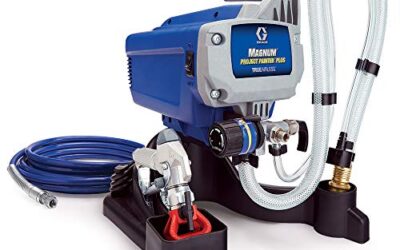
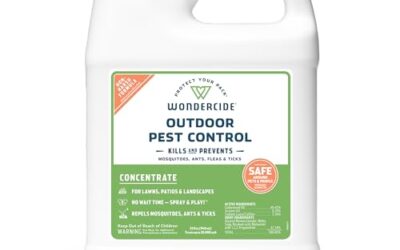
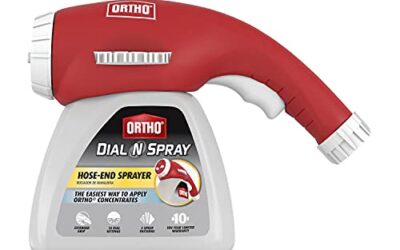
Concentrates are mixed with water before they go into a sprayer, so one small bottle can make several gallons of finished spray. That suits owners who already own a pump-up or backpack sprayer and treat animals often, because the finished volume stretches further and the mixing ratio can be set for animals or for premises where the label allows both uses. Ready-to-use formulas need no mixing and suit owners who want to start spraying at once or who treat only a few animals at a time. Some ready-to-use jugs include a built-in pump sprayer, which removes the need for separate equipment. The trade-off is volume, so check how many animals one container covers before choosing.
Active Ingredients and Label Claims
Most livestock fly sprays rely on a small set of active ingredients, and the label is the reliable place to compare them. Permethrin appears in many concentrates and ready-to-use sprays, often alongside piperonyl butoxide, which is added as a synergist. Pyrethrin-based formulas are common in fast knockdown sprays for barns and dairy settings. Oil-based formulas tend to cling to the coat and resist washing off, while water-based formulas are lighter and easier to rinse from equipment. Read which pests and animals the label lists, and confirm whether the product is labeled for direct use on animals, for premises, or for both, because those uses are not interchangeable.
Volume, Coverage, and Herd Size
Volume is where many buyers misjudge, because a container that looks generous can disappear quickly across a herd. Gallon jugs and refill containers suit owners who spray ten or more animals at a time, while quart and half-gallon sizes suit a few horses or a small goat herd. Check the label for the amount of finished spray per animal and the reapplication interval, then work out how many treatments one container provides. Weather matters too: rain, heavy sweat, and dusty coats shorten the working life of a treatment, so animals kept outdoors in wet conditions usually need more frequent applications than animals kept under cover.
Sprayer Compatibility and Formula Base
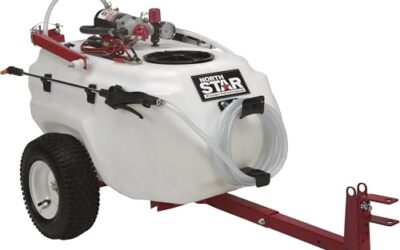
Not every formula suits every sprayer, so check compatibility before you mix a batch. Water-based sprays move easily through most handheld, pump-up, and backpack sprayers, while thicker oil-based formulas can strain small pumps and leave residue in hoses and nozzles. Fine-mist nozzles give even coverage on the coat but clog more easily if a concentrate is not fully dissolved, so stir or shake the mix until it is uniform and strain it if the label advises. Read the sprayer manual for chemical compatibility, and avoid using a sprayer that previously held herbicide or another farm chemical unless it has been cleaned exactly as its maker directs.
Setting Up Your Sprayer for Fly Control
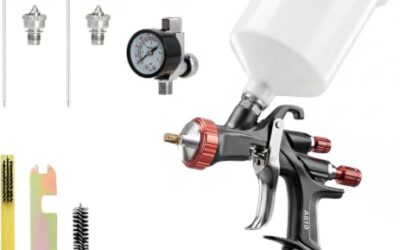
A good sprayer setup starts with the nozzle and the pressure behind it. A coarse spray nozzle suits premise work on walls, fences, and bedding, where large droplets settle where flies rest. A finer spray suits direct application to an animal, where even coverage across the back, belly, legs, and face matters more than soaking one spot. Adjustable nozzles let one sprayer serve both jobs, but test the pattern on a fence post or a patch of ground before aiming at an animal, so you can see whether the spray is even or streaked.
Mixing deserves the same care as the spraying itself. Measure the concentrate with the measuring cap or a marked jug rather than pouring by eye, and add it to the water in the sprayer tank instead of pouring water onto neat concentrate. Stir or shake the tank until the mix looks uniform, and give it another shake if the sprayer has been standing for a while, because some mixes settle. Never mix more finished spray than you expect to use in one session, since leftover mix can lose strength and leaves a tank that must be emptied and cleaned.
Calibration is a short job that prevents most coverage problems. Fill the sprayer with plain water, spray a measured area or a single animal, and note how much water you used and how long it took. That tells you the working rate of your sprayer and nozzle combination, so you can judge how much finished spray a whole herd will need and how many refills to prepare. If the pattern is patchy or one side of the nozzle drips, clean or replace the nozzle before adding any chemical, because a worn nozzle wastes product and leaves gaps in coverage.
Cleaning after use protects both the sprayer and the next batch. Empty any leftover mix according to the label directions, rinse the tank with clean water, and spray clean water through the hose and nozzle until it runs clear. Take the nozzle apart if the maker allows it, and clear any residue with a soft brush rather than a sharp tool that can widen the opening. Store the sprayer out of direct sun with the pressure released, and keep concentrates in their original containers with the caps tight and the labels readable, away from feed, children, and pets.
Which One Fits Your Situation
A Small Herd or a Few Horses
For a few animals, a ready-to-use formula or a small concentrate with a handheld or pump-up sprayer is usually enough. You can treat each animal in a few minutes, check coverage as you go, and avoid mixing large batches that go stale. Keep a spare nozzle and a measuring cap with the sprayer, and store the container where you can reach it quickly when flies build up after rain or warm weather.
A Large Herd Worked Through a Chute
For a large herd, a concentrate in a gallon container with a backpack or power sprayer covers more animals per session and keeps refills to a minimum. Work animals through a chute or a small pen so each one stands still long enough for an even pass along the back, belly, and legs. Plan the session around the label reapplication interval, and keep a second mixed batch ready so the line does not stop while you refill.
A Barn, Stable, and Surrounding Premises
For buildings and yards, look for a formula labeled for premise use as well as for animals, and apply it with a coarse nozzle to walls, stalls, fences, and bedding where flies rest. Ventilate the building during and after application, and follow the label about keeping animals out of treated areas until surfaces are dry. Premise spraying works best alongside animal treatment, since flies move between the building and the herd.
Mixed Livestock on a Smallholding
For a smallholding with cattle, horses, goats, sheep, or poultry, choose a formula whose label lists every species you keep, and confirm the mixing and application directions for each one. A broad-label concentrate used in a pump-up sprayer can serve the whole holding from one container, which simplifies storage and record keeping. Keep cats away from permethrin-based products entirely, since the label warns against use on cats, and store treated equipment where pets cannot reach it.
Common Mistakes
- Mixing stronger than the label directs. A heavier mix does not give longer protection, and it wastes concentrate while raising the risk of skin irritation and residue problems. Measure the concentrate, follow the ratio for the use listed on the label, and keep a note of the mix you used so the next session matches it.
- Using a premise-only spray directly on animals. Some formulas are labeled for buildings, stalls, and yards only, and they are not approved for skin contact. Read the directions before the first use, and keep a separate product for animals if your premise spray does not list them.
- Spraying in wind or just before rain. Wind carries fine spray away from the animal and onto the operator, while rain soon after treatment washes the coat before the formula has settled. Choose a calm, dry spell, spray with the wind at your back, and watch the forecast for the hours after application.
- Letting the mix settle in the tank. Concentrates can separate while the sprayer stands, so the first animals get a weak mix and the last ones get a strong one. Shake or stir the tank before you start and again after any pause, and mix only as much as you will use in one session.
- Skipping the clean-out after spraying. Dried residue clogs nozzles, stiffens seals, and contaminates the next batch, and leftover mix left in a tank can lose strength. Rinse the tank, hose, and nozzle with clean water after every session, and store the sprayer with the pressure released.
Frequently Asked Questions
Can I use any fly spray in a pump-up sprayer?
Most water-based livestock fly sprays and properly diluted concentrates work in a pump-up sprayer, but always check both labels first. The spray label should list sprayer application, and the sprayer manual should confirm chemical compatibility. Oil-based formulas can strain small pumps and leave residue, and a concentrate that is not fully dissolved can clog the nozzle, so mix thoroughly and test the spray pattern with water before adding the formula.
How do I dilute a fly spray concentrate?
Follow the mixing ratio printed on the product label for the use you need, since ratios differ between animal application and premise treatment. Measure the concentrate with the cap or a marked jug, add it to the water in the tank, and stir or shake until the mix is uniform. Mix only what you will use in one session, and never guess the amount.
How often should I reapply fly spray to livestock?
The label gives the reapplication interval for each product, and that interval is the starting point. Animals kept outdoors in wet or dusty conditions usually need treatment more often than animals kept under cover, because rain, sweat, and dust shorten the working life of a spray. Watch fly numbers on the animals rather than the calendar alone, and reapply when flies gather again on the back, belly, and legs.
Is fly spray safe to use around all farm animals?
No, and the label is the only reliable guide. Many fly sprays list cattle, horses, goats, sheep, swine, and poultry, but permethrin-based products carry a clear warning against use on cats. Check that every species you keep is named on the label, follow the directions for each one, and keep treated animals away from untreated pets and feed until the application has dried as the label directs.