Key takeaways
- Compare the best kids camping tents for backyard campouts and family trips, with kid-size floors, simple setups, rainflies and bug-free mesh.
A first camping tent of their own is a milestone for a lot of kids. It turns a backyard campout into a real expedition, gives siblings a base camp next to the family tent at a campground, and lets young scouts practice pitching, staking and packing up with gear sized for them instead of borrowed adult equipment. The catch is that the kids’ tent shelf mixes true camping tents with indoor play tents that would fold in the first gust of wind, so the construction details matter more than the colors on the box.
The five tents below are all genuine outdoor shelters: freestanding dome designs with fiberglass poles, rainflies, mesh ventilation and floors built to sit on grass, dirt or a groundsheet. Three are sized specifically for children, and two are compact two-person models that work as step-up tents for older kids who have outgrown the smallest floors. Each one sets up with simple pole sleeves or clips, so a child can help with every step instead of watching from the sidelines.
As an Amazon Associate, we earn from qualifying purchases.
Quick answer
For most families, the Coleman Kids Wonder Lake is the best kids camping tent: it pairs a WeatherTec floor and rainfly with a 7 by 4 foot floor and a glow-in-the-dark logo. The GigaTent Cooper suits young scouts who need a lighter pack, the GigaTent Paramount adds room for two growing kids, the Wakeman dome is the lightest carry, and the Coleman Sundome is the step-up pick for older children.
Coleman Kids Wonder Lake 2-Person Dome Tent

The Wonder Lake is the rare kids’ tent that is built like a real camping tent first and a novelty second. Coleman gives it the same WeatherTec system found on its family tents, with a welded polyethylene floor and inverted seams that help keep ground moisture from creeping in during a damp night. The included rainfly adds a layer of protection overhead, and the fabric is a durable Polyguard polyester rather than the thin nylon used on play tents.
At 7 feet by 4 feet with a 3 foot center height, the floor fits two children in sleeping bags with room for a stuffed animal or two, and interior storage pockets keep a flashlight and a paperback off the floor. Snag-free continuous pole sleeves and a pin-and-ring pole attachment keep setup close to ten minutes, which is short enough that a grade-schooler can feed the poles while an adult tensions the corners. The glow-in-the-dark Coleman logo on the fly is a small touch that makes the tent easy to spot on a flashlight run back from the camp bathroom. Everything packs into an expandable carry bag, and at about 5 pounds the whole kit is light enough for a kid to haul from the car to the backyard.
GigaTent Cooper Boy Scouts Camping Tent
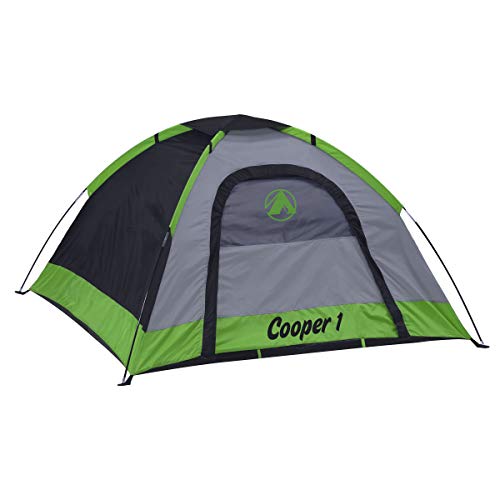
The Cooper was designed for scout-age campers who need to carry and pitch their own shelter, and it shows in the numbers: a 5 by 5 foot floor, a 3 foot peak and a packed weight under 3 pounds. That combination makes it the easiest tent on this list for a child to carry on a short walk-in campsite trail and the quickest to pitch at the end of the day.
Shock-corded fiberglass poles hold the dome shape firmly, and the mesh panels keep mosquitoes and other insects outside while air moves through on warm nights. Two large interior storage pockets give a scout a place for a headlamp, pocketknife-free essentials and a change of socks, which helps teach the habit of keeping a tent organized. The Cooper’s modest footprint also makes it a smart backyard choice for smaller yards where a full family tent would take over the lawn. Because the floor is a true square, two kids sleep side by side without the tapered end found on many two-person domes, though taller preteens will want to measure their sleeping bags against the 5 foot length before a trip.
GigaTent Paramount Boy Scouts Camping Dome Tent

Think of the Paramount as the Cooper’s bigger sibling for families who want one kids’ tent to last several seasons. The 7 by 6 foot footprint and 50 inch interior height give two growing children real room to sit up, change clothes and spread out sleeping pads without elbowing each other, and a single adult can kneel inside to help with bedtime on a family trip.
Shock-corded fiberglass poles keep the structure steady, the polyethylene floor is waterproof for wet grass and light rain, and no-see-um mesh on the roof and windows blocks the smallest biting insects while keeping the interior from feeling stuffy. An interior storage pocket, one door and one window keep the design simple enough for kids to manage on their own. The tent, fly and poles pack into a zippered carry bag, and at just under 5 pounds it is still light enough for an older child to carry from the car. UV-resistant materials help the fabric hold up when the tent spends sunny weekends pitched in the backyard between trips.
Wakeman Outdoors 2-Person Camping Tent

The Wakeman dome is the lightest full camping tent here at under 3 pounds, which makes it a friendly first tent for kids who want to carry their own gear on short hikes to a campsite. Its 77 by 57 inch floor and 40 inch height fit two children comfortably, and the two-pole design keeps setup simple enough that an adult and child can pitch it together in minutes.
The body is 190T polyester with fiberglass poles, and the removable rainfly lets kids sleep under mesh on clear, dry nights and add cover when clouds build. The dual-layer door combines an inner screen layer with an outer zippered fabric layer, so the door can provide privacy, airflow or both, and a ventilation window encourages air movement on warm evenings. An interior storage pocket keeps small items off the floor, and four stakes are included for anchoring the corners. When the trip ends, the tent goes back into its carrying bag for storage with the rest of the family’s camping gear. It is also a practical spare tent for sleepovers that move from the living room to the lawn.
Coleman Sundome 2-Person Tent
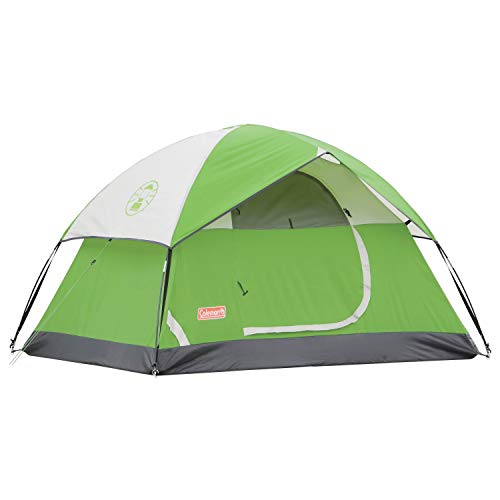
When a child outgrows kid-size floors but is not ready for a full adult tent, the Sundome is the classic step-up. Its 7 by 5 foot floor and 4 foot center height fit an older kid or young teen with room to spare, and it uses Coleman’s WeatherTec system with welded corners and inverted seams to keep the interior dry in rain that would send lighter tents home early.
Large windows and a ground vent support airflow on warm nights, and the rainfly provides extra protection over the roof. Setup follows the familiar two-pole dome pattern with continuous sleeves, so a practiced young camper can pitch it in about ten minutes. Interior details include a storage pocket and an electrical access port, which is handy at campgrounds with hookups when a small lantern battery or fan needs charging outside the tent. The Sundome packs into its own carry bag and, while heavier than the kid-specific models here, it is the tent on this list most likely to keep serving through years of scout trips, backyard campouts and festival weekends.
How to choose
Start with size. A tent’s person rating assumes adult shoulders, so a two-person kids’ tent really means two children in sleeping bags. Check the floor dimensions against your child’s height plus a few inches, and look at the center height if your kids like to sit up and play cards before lights out. For siblings close in age, a 7 foot floor length avoids the nightly argument about whose feet are in whose space.
Setup style matters because pitching the tent is part of the fun. Continuous pole sleeves and pin-and-ring attachments are the easiest systems for small hands, and shock-corded poles that stay connected in sections prevent the classic lost-pole problem. Practice once at home so the first real pitch is not happening at dusk in a new campground.
Weather protection separates camping tents from play tents. Look for a rainfly that extends over the roof, a tub-style or welded floor, and seams that are inverted, taped or welded. Mesh is just as important: fine no-see-um mesh keeps out the smallest insects, and roof mesh lets heat escape on summer nights when the fly is off.
Finally, think about safety and care. Tent fabrics are flame resistant to the CPAI-84 standard, not fireproof, so kids’ tents should always be pitched well away from campfires, stoves and lanterns, and nothing that burns fuel should ever be used inside because of carbon monoxide. Teach kids to handle fiberglass poles by the sections rather than bending them into arcs by force, and always dry a tent fully before storing it so the floor coating and fabric stay in good shape.
Who should skip
Skip these tents if you are shopping for a toddler. Children under about four are better served by a play tent indoors or by sleeping in the family tent, where an adult is within arm’s reach all night. Also skip kid-size models if the campers are tall tweens or teens: anyone approaching adult height will be happier in a standard two-person tent like the Sundome or a larger family model.
Families planning trips in heavy rain, high wind or cold weather should also look elsewhere. These are fair-weather, three-season shelters for backyards and established campgrounds, not expedition tents. And if your child only wants a fort for the living room, a dedicated play tent costs less, needs no stakes and will not track in dirt from being pitched outside.
FAQ
Are kids’ camping tents waterproof?
They are water resistant rather than fully waterproof. Models with a rainfly, a welded or polyethylene floor and sealed or inverted seams, like the Wonder Lake and Sundome here, handle light to moderate rain well. In a downpour, water can still find its way in, so pitch on high ground and consider a groundsheet under the floor.
What age is right for a first camping tent?
Most children are ready for their own tent in the backyard around ages five to seven, with an adult sleeping nearby in the house or the family tent. Sleeping solo at a campground usually comes later, around ages eight to ten, depending on the child and how close the family tent is pitched.
Can kids set these tents up by themselves?
Older elementary-age kids can usually manage the two-pole dome designs here with a little practice, especially the lighter GigaTent and Wakeman models. Younger children can help by feeding poles through sleeves, holding corners and pushing in stakes while an adult handles tensioning and the rainfly.
How do we keep a kids’ tent clean and mildew-free?
Shake out dirt and leaves before packing, wipe muddy floors with a damp cloth, and never store a tent while it is damp. Set it up in the yard or drape it over chairs until every layer is dry, then store it loosely in its bag in a cool, dry spot rather than a hot attic or garage corner.
Final verdict
The Coleman Kids Wonder Lake earns the top spot for most families because it combines real weather protection, a kid-friendly size and a setup simple enough for children to join in. Choose the GigaTent Cooper for a young scout who needs the lightest pack, the GigaTent Paramount when two growing kids need extra floor space, the Wakeman when carry weight matters most, and the Coleman Sundome when your camper is ready to graduate to a tent that will last into the teen years.
Product and ASIN Reference
| Product | ASIN |
|---|---|
| Coleman Kids Wonder Lake 2-Person Dome Tent | B019YDV1TC |
| GigaTent Cooper Boy Scouts Camping Tent | B003JONWKE |
| GigaTent Paramount Boy Scouts Camping Dome Tent | B01HH4M9GE |
| Wakeman Outdoors 2-Person Camping Tent | B0050P22VK |
| Coleman Sundome 2-Person Tent | B004J2KDH0 |