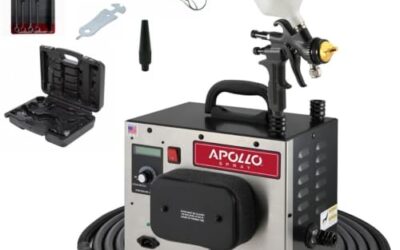
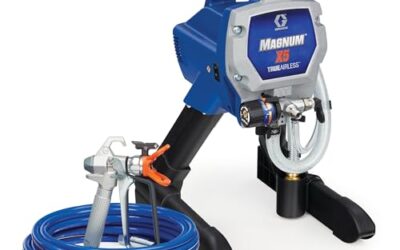
Our Short List of 3
All 5 Picks at a Glance
| Product | Specs | Action |
|---|---|---|
 1. Chapin 20002 2-Gallon Lawn and Garden Sprayer | Check price on Amazon | |
 2. Chapin 26021XP ProSeries XP 2-Gallon Sprayer | Check price on Amazon | |
| 3. Smith Performance Sprayers 190285 1-Gallon Bleach and Chemical Sprayer | Check price on Amazon | |
 4. Chapin 20000 Series 1-Gallon Sprayer (model 20004) | Check price on Amazon | |
 5. Solo 418 One-Hand Pressure Sprayer, 1-Liter | Check price on Amazon |
Key takeaways
- Compare the best home use chemical sprayers for weeds, pests and cleaning jobs, with tank sizes, Viton and nitrile seals, nozzles and safety basics at home.
As an Amazon Associate, we earn from qualifying purchases made through links on this page.
A home use chemical sprayer is the tool that turns a bottle of weed killer, insecticide, fungicide or outdoor cleaner into an even, controlled application. Instead of mixing in a watering can or relying on a small trigger bottle, a pump sprayer lets you pressurize a tank, walk the job at your own pace, and lay down anything from a fine mist on leaves to a direct stream along a fence line. For most houses, the work falls into a few repeat jobs: spot-spraying weeds in beds and driveway cracks, treating shrubs and small trees for insects, applying fungicide to roses or vegetables, and washing siding, decks or concrete with a bleach-based or detergent cleaner.
The five sprayers below are all manual pump models sized for home use, from a one-liter one-hand unit for spot work up to two-gallon tanks that cover a full yard session. They differ mainly in tank capacity, seal material, and how they handle stronger chemicals such as bleach. Seal material matters more than almost anything else on a chemical sprayer, because the wrong gasket compound swells or cracks after repeated contact with herbicides and cleaning solutions. Each pick lists its manufacturer specifications, who it suits best, and the limits that follow from those specifications, so you can match the sprayer to the chemicals you actually use.
What to look for
Tank size. One-gallon tanks are the home standard: light enough to carry by the handle when full, and large enough for a typical bed-and-border session without a refill. Two-gallon models suit bigger lawns, long fence lines and whole-house siding washes, at the cost of more weight on your arm. A one-liter one-hand sprayer is not a replacement for either; it is a spot tool for individual weeds, houseplants and small shrubs.
Seal and gasket material. This is the specification that decides how a sprayer ages. Viton, a fluoroelastomer, is the seal material manufacturers specify for harsher chemicals, including bleach solutions and solvent-bearing products. Nitrile seals handle common water-based herbicides, insecticides and fertilizers well, but manufacturers position them for general lawn and garden chemicals rather than aggressive cleaners. If you plan to spray bleach-based mold and mildew removers, choose a model whose maker explicitly rates it for bleach and fits chemical-resistant seals.
Pump type and pressure. Handheld and shoulder-carried home sprayers use a piston pump built into the cap or handle: you pump to pressurize the tank, then spray until the pressure fades and pump again. Working pressures on home models generally run from about 15 to 60 PSI depending on the model. A pressure relief valve is worth having, because it lets you vent the tank safely before opening it and prevents over-pressurizing.
Nozzles and wand. An adjustable cone nozzle that twists from stream to mist covers most home jobs. Models that include several tips, such as fan and foaming nozzles, give more control for lawn applications and cleaning work. A longer wand and hose keep the spray away from your hands and let you reach under shrubs and up to eaves; a short wand is easier to control for close spot work.
Filling and cleaning. A wide or funnel-shaped tank opening makes mixing concentrate and water less messy and rinsing faster. Translucent tanks with measurement markings help you mix ratios correctly and see how much solution is left. An in-tank filter reduces nozzle clogs when you mix powders or work with water that carries sediment.
Safety basics. Whatever model you choose, a few habits from manufacturer guidance apply to every job. Read the chemical label before mixing and follow its dilution and protective-equipment directions exactly. Never mix different chemicals together, and never combine leftover solutions. Always release the tank pressure through the relief valve or by holding the trigger open away from you before unscrewing the cap. Rinse the tank, hose and nozzle with clean water after each use, spray the rinse water onto an area the label permits, and store the sprayer empty, out of reach of children, with the pressure fully released. Dedicate one sprayer to herbicides if you can, so weed killer residue never reaches plants you want to keep.
The picks
1. Chapin 20002 2-Gallon Lawn and Garden Sprayer
The Chapin 20002 is the straightforward two-gallon workhorse in this group. Its translucent polyethylene tank carries measurement markings, a funnel-style top for filling, and Chapin’s SureSpray in-tank filter, which screens debris before it can reach the nozzle. The seals are nitrile, the hose runs 34 inches, and the adjustable nozzle twists between a stream and a mist pattern. Chapin lists the sprayer for fertilizers, weed killers and pesticides, and builds it in the USA with a one-year limited warranty.
Who it is for: Homeowners who want one general-purpose sprayer for a medium or large yard, covering beds, borders and lawn spot treatments in a single fill.
Limitations from the specs: The nitrile seals are a general lawn-and-garden specification, so this is not the model Chapin positions for bleach or aggressive cleaning chemicals; the Smith and the ProSeries XP below are built for that work. At two gallons it is also the joint-heaviest carry here once filled, and the single adjustable nozzle gives fewer pattern options than the multi-tip 26021XP.
2. Chapin 26021XP ProSeries XP 2-Gallon Sprayer
The 26021XP is Chapin’s heavier-duty two-gallon model, from its ProSeries XP line. The headline specification is its chemical-resistant fluoroelastomer seals and gaskets, the Viton family of materials, which Chapin rates for compatibility with fertilizers and professional-style weed and pest control concentrates. It adds a pressure relief valve, a four-inch wide tank opening, an in-tank anti-clog filter, a 48-inch hose, a 20-inch poly wand, and three nozzle tips including a brass nozzle and a foaming option. Working pressure is in the 40 to 60 PSI range typical of the line.
Who it is for: Gardeners who spray concentrates regularly through the season and want seals that tolerate stronger mixes, plus the reach of a longer hose and wand for shrubs, small trees and fence lines.
Limitations from the specs: It is a professional-leaning model, so it carries more parts to rinse and keep track of, including the extra nozzle tips. The two-gallon tank has the same full-weight carry as the 20002, and for occasional light use its seal and nozzle upgrades are more than the job requires.
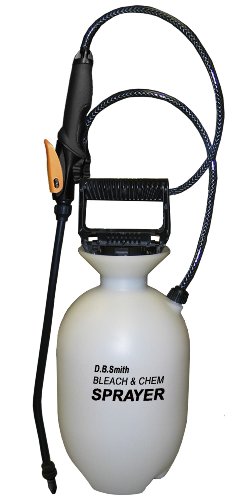
3. Smith Performance Sprayers 190285 1-Gallon Bleach and Chemical Sprayer
The Smith 190285 is the cleaning specialist of the group. Smith builds it specifically as a bleach and chemical sprayer for lawns and gardens and for washing decks, siding and concrete. Its defining specification is replaceable Viton seals and gaskets throughout the pump and wand, so the parts that contact the solution are both chemical-resistant and serviceable when they eventually wear. The one-gallon tank feeds an adjustable nozzle that moves from stream to cone, and the shut-off can be locked for continuous spraying during longer cleaning passes.
Who it is for: Anyone whose main spraying work is cleaning: mold and mildew treatments on siding, deck and concrete washing, and bleach-based solutions that would shorten the life of general-purpose seals.
Limitations from the specs: The one-gallon capacity means refills on a whole-house wash, and while the sprayer also handles garden chemicals, its design brief is cleaning first, so it lacks the multi-nozzle lawn focus of the Chapin XP. Viton seals are replaceable rather than permanent, so long-term ownership includes the small job of swapping them when spray patterns start to weaken.
4. Chapin 20000 Series 1-Gallon Sprayer (model 20004)
The 20000 series is Chapin’s basic one-gallon line, sold on Amazon under model number 20004. The specification sheet is simple and well matched to light home work: a translucent one-gallon tank with a funnel top, an anti-clog in-tank filter, a 34-inch hose, a poly extension wand and an adjustable cone nozzle, with a maximum pressure rating of 60 PSI. Chapin positions it for fertilizers, weed killers and pesticides around the home and garden.
Who it is for: Homeowners with a small yard, patio containers or a few raised beds who want the lightest full-format pump sprayer here and do not need bleach-rated seals.
Limitations from the specs: Like the 20002, its general-purpose seals are not the specification to choose for bleach or harsh cleaners. The one-gallon tank will need refilling across a large lawn, and the single cone nozzle and shorter wand give less reach and pattern choice than the two-gallon models above.
5. Solo 418 One-Hand Pressure Sprayer, 1-Liter
The Solo 418 is the spot-treatment tool in this roundup. It is a one-liter piston-pump sprayer you hold and operate with one hand: a few pump strokes pressurize the HDPE tank to a working range of 15 to 40 PSI, and a locking trigger keeps the spray going without constant squeezing. Solo fits Viton seals, a multi-directional adjustable nozzle that can spray at awkward angles, and a drift and drip guard that helps place solution on a single weed or leaf. An in-tank filter and a pressure relief valve round out the specification.
Who it is for: Anyone who spot-sprays individual weeds, tends houseplants and balcony pots, or wants a small sprayer kept mixed for quick jobs without filling a gallon tank.
Limitations from the specs: One liter is a spot capacity only; beds and lawns would mean constant refills, and there is no hose or long wand, so reach is arm’s length. It complements a gallon sprayer rather than replacing one.
Comparison table
| Model | Tank | Seals | Pump and pressure | Nozzles | Best for |
|---|---|---|---|---|---|
| Chapin 20002 | 2 gallons | Nitrile | Hand piston pump | Adjustable stream to mist | General yard work in one fill |
| Chapin 26021XP ProSeries XP | 2 gallons | Fluoroelastomer (Viton family) | Hand piston pump, relief valve | Three tips incl. brass and foaming | Regular concentrate spraying |
| Smith 190285 | 1 gallon | Viton, replaceable | Hand piston pump, locking shut-off | Adjustable stream to cone | Bleach and cleaning chemicals |
| Chapin 20000 series (20004) | 1 gallon | General-purpose | Hand piston pump, up to 60 PSI max | Adjustable cone | Small yards and light use |
| Solo 418 | 1 liter | Viton | One-hand piston pump, 15 to 40 PSI | Multi-directional adjustable | Spot treatment and houseplants |
FAQ
Can I spray bleach in any of these sprayers?
Only in the models whose manufacturers rate them for it. The Smith 190285 is built and sold as a bleach and chemical sprayer with Viton seals, and the Chapin 26021XP uses chemical-resistant fluoroelastomer seals. General-purpose nitrile-seal sprayers such as the Chapin 20002 and 20000 series are specified for lawn and garden chemicals, and bleach can degrade their seals faster. Whatever you spray, follow the chemical label’s dilution directions.
What size sprayer does a typical home need?
One gallon covers most single sessions in beds, borders and small lawns, and stays comfortable to carry. Two gallons makes sense for larger yards, long fence lines or whole-house cleaning washes. A one-liter one-hand sprayer is an addition for spot work, not a substitute for either tank size.
Why do seal materials matter so much?
Seals and gaskets are the parts in constant contact with your solution. When a chemical attacks the seal compound, the sprayer starts to leak, loses pressure, or drips at the wand. Viton and other fluoroelastomers resist a wider range of chemicals, including bleach, while nitrile is a sound, economical match for common water-based herbicides, insecticides and fertilizers.
How should I clean a sprayer after using chemicals?
Release all pressure first, then empty any leftover solution according to the product label rather than pouring it into drains or storm sewers. Rinse the tank with clean water, pump some of that water through the hose and nozzle, and repeat. Let the sprayer dry with the cap loose and store it empty and depressurized.
Can I use one sprayer for both weed killer and plant insecticide?
You can, if you rinse thoroughly between jobs, but the safer practice recommended by manufacturers is to dedicate one sprayer to herbicides and label it clearly. Even small weed killer residues left in a hose or tank can damage flowers and vegetables when the same sprayer is used on them later.
Conclusion
For most homes, the choice comes down to which chemicals you spray most. The Chapin 20002 covers general lawn and garden work in a simple two-gallon format, and the 20000 series one-gallon model does the same job for smaller yards. If stronger concentrates are your routine, the Chapin 26021XP adds fluoroelastomer seals, a relief valve and extra nozzles. For bleach and cleaning solutions, the Smith 190285 is the purpose-built pick, with replaceable Viton seals in a manageable one-gallon size. Add the Solo 418 if spot treatments are a weekly habit. Match the seal material to your strongest chemical, keep the pressure released and the tank rinsed, and any of these sprayers should stay in service season after season.