Our Short List of 3

- Product: Franklin Sports Future Champs two-player youth lacrosse sticks and ball set
- Includes: 2 practice sticks and 1 soft rubber practice ball
- Stick length: 32 inches
- Material: ABS plastic with a thinner shaft design

- Product: STX Stallion 50 youth complete lacrosse stick, Platinum and White
- Format: Single complete stick, head and shaft assembled and pre-strung
- Overall length: 39 inches
- Head: Softer molded head inspired by the Stallion 550 head design

- Product: Champro LRX7 youth lacrosse stick
- Format: Single complete stick, ready to play
- Overall length: 24.5 inches
- Shaft: Aluminum shaft
All 5 Picks at a Glance
| Product | Specs | Action |
|---|---|---|
| 1. Franklin Sports Future Champs Two-Player Youth Lacrosse Set |
| Check price on Amazon |
| 2. STX Stallion 50 Youth Complete Lacrosse Stick |
| Check price on Amazon |
| 3. Champro LRX7 Youth Lacrosse Stick |
| Check price on Amazon |
 4. Franklin Sports Venom Youth Mini Lacrosse Stick and Ball Set |
| Check price on Amazon |
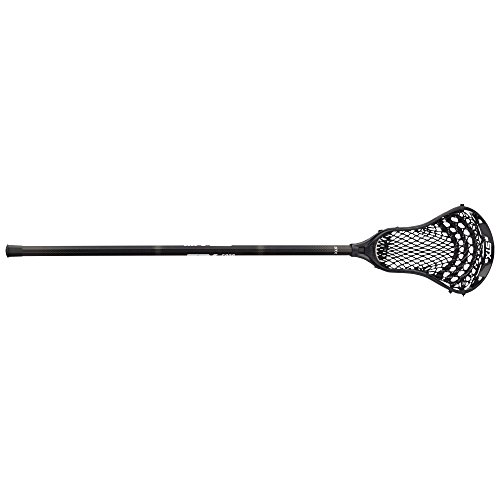 5. STX Stallion 200 Attack and Midfield Boys Complete Stick |
| Check price on Amazon |
Key takeaways
- Find the best kids lacrosse sets for beginners, from two-player backyard sets to complete youth sticks sized for small hands and first seasons.
The best kids lacrosse sets for most families are the Franklin Sports Future Champs two-player set for the youngest beginners, the STX Stallion 50 for older children who are ready for a real complete stick, and the STX Stallion 200 for players moving toward organized league play. A good starter set matches the length of the stick to the height of the child, includes a soft ball that is forgiving on missed catches, and arrives ready to play with a pocket that is already strung. Short sticks build confidence because a child can cradle the ball close to the body, control the head with one hand, and learn to pass and catch without fighting the weight and length of an adult stick.
Parents who are buying a first set should start with the age of the child and the way the set will be used. A toddler who is learning the game in the backyard needs a short plastic stick and a soft ball. A child who has joined a youth clinic needs a complete stick with a real mesh pocket and a shaft that fits smaller hands. A player who is moving into a league needs a stick that meets the size and equipment rules of that league. The five sets below cover that whole range, from first backyard games to first seasons of organized play, and each one is described from its published specifications so the differences are easy to compare.
As an Amazon Associate, we earn from qualifying purchases.
Table of Contents
- How to Choose a Kids Lacrosse Set
- Franklin Sports Future Champs Two-Player Youth Lacrosse Set
- STX Stallion 50 Youth Complete Lacrosse Stick
- Champro LRX7 Youth Lacrosse Stick
- Franklin Sports Venom Youth Mini Lacrosse Stick and Ball Set
- STX Stallion 200 Attack and Midfield Boys Complete Stick
- Which Set Fits Your Child
- Care and Storage for Kids Lacrosse Gear
- Frequently Asked Questions
- Conclusion
- Product and ASIN Reference
How to Choose a Kids Lacrosse Set
Match the stick length to the child
Stick length is the single most important choice in a kids lacrosse set, and it matters more than the brand name on the shaft. A stick that is too long forces a child to hold it with both hands wide apart, drag the head on the ground, and lose the ball every time the stick changes direction. A stick that fits lets the child carry the head near the shoulder, cradle with a short wrist motion, and catch with the pocket facing the ball. As a rough guide, a stick that reaches somewhere between the hip and the chest when the child stands with the head on the ground is a workable starting length for backyard play, while league play has its own minimum lengths that a coach can confirm.
The sets in this guide span the useful range for children. The shortest options sit near twenty-four to thirty-two inches and suit the youngest players, while the youth complete sticks run near thirty-nine inches for older children and the full youth attack and midfield stick runs near forty-one inches overall for players who are ready for a regulation style frame. When a child falls between two sizes, the shorter stick is usually the better choice for a first season, because control and confidence matter more than reach at this stage, and a child who can catch and throw cleanly with a short stick will adjust to a longer one quickly.
Decide between a set and a single complete stick
A lacrosse set and a complete stick solve different problems. A set includes two sticks and at least one ball, so two children, or a child and a parent, can play a catch game the same afternoon the box arrives. Sets are the right choice when the goal is to introduce the sport, play in the backyard, or give siblings a shared activity. A complete stick is a single stick with a head and shaft already assembled and strung, and it is the right choice when one child is joining a clinic or a team and needs a stick that behaves like the equipment used in practice.
Many families end up buying both over time: a soft backyard set for casual play at home and a complete stick for practice and games. That split works well because the backyard set takes the wear of driveway games and the complete stick stays in better condition for team use. The guide below includes both formats, and each product description notes whether the listing is a multi-piece set or a single complete stick so the contents of the box are clear before ordering.
Understand the head, the pocket, and the mesh
The head is the plastic frame at the top of the stick, and the pocket is the mesh or stringing inside it that holds the ball. Youth heads are often molded from a softer material than adult heads, which gives a more forgiving response when a pass arrives slightly off target. A softer head helps a beginner keep the ball in the pocket instead of watching it bounce out on the first catch, and that small difference can decide whether a child enjoys the first week of practice.
The pocket itself is usually soft mesh on a youth stick, and it arrives pre-strung so no assembly or stringing is needed. A deep pocket makes catching easier and cradling more forgiving, while a shallow pocket releases the ball more quickly on a pass or a shot. Beginners benefit from a deeper, softer pocket, and the sticks in this guide lean in that direction. Parents should also check that the pocket stays centered and that the mesh has no loose ends before the first game, since a pocket that sags to one side will throw the ball off line.
Shaft material and grip
The shaft is the long handle of the stick, and its material sets the weight and the feel in small hands. Plastic shafts are light, inexpensive, and well suited to backyard sets for young children. Aluminum shafts are stronger and lighter for their length, and they appear on the youth complete sticks that are meant for regular practice. A textured grip on the shaft helps a child hold the stick when hands are damp from play, and a thinner shaft diameter helps smaller hands wrap fully around the handle and control the head.
Weight matters more than it looks on paper. A stick that feels heavy after a few minutes of cradling will tire a young arm and make the child drop the head, which leads to dropped balls and frustration. The youth sticks in this guide are all built for smaller players, with shorter and thinner handles than adult sticks, and the lightest options are the plastic backyard sets, followed by the aluminum youth complete sticks.
Check league and program rules before buying
Youth lacrosse programs set their own equipment rules, and those rules vary by age group and by league. Some programs require a minimum overall stick length, some limit the type of pocket, and some require specific protective gear alongside the stick. A stick that is perfect for backyard play can be too short for a league game, so the safest step is to ask the coach or the program director for the length and pocket rules before ordering a stick for organized play. The two STX complete sticks in this guide are built to the pattern of league-legal youth equipment, while the shorter backyard sets are described as practice and recreational gear for exactly that reason.
Age guidance on a listing is a starting point, not a rule. A tall seven-year-old may handle a thirty-nine-inch stick comfortably, while a smaller nine-year-old may do better with a shorter one. Height, hand size, and strength matter more than the birthday, and a quick check in a store or a careful measurement at home is worth more than any age label on a box.
Soft balls and safety
A soft ball is the right ball for a first lacrosse set. Regulation lacrosse balls are hard rubber, and they can sting on a missed catch or a wild pass. The sets in this guide use soft rubber or soft foam style balls that are sized for young players, which keeps backyard games friendly and lets children practice catching without flinching. When a child moves into organized play, the program will supply or specify the correct game ball, and the soft practice ball can stay at home for driveway games.
Protective gear is a separate purchase from the stick, and most youth programs require a helmet, gloves, and other pads for contact play. This guide covers sticks and sets only, so parents should confirm the protective gear list with the program before the first practice. Eye protection and a mouth guard are also common requirements, and they are worth sorting out at the same time as the stick.
What to look for in the box
A good kids lacrosse set should arrive ready to play. That means the sticks are assembled, the pockets are strung, and at least one ball is included. Two-stick sets should include sticks that match in length and build so neither player has an awkward advantage. A set that includes a goal adds a target for shooting practice and turns a catch game into a real backyard match, and the goal frame should be light enough for a child to move and simple enough for a parent to assemble without tools.
Durability is the other quality to weigh. Plastic backyard sticks are built for fun rather than for heavy daily use, and the mesh on a very soft pocket can stretch with time. Aluminum youth sticks are built to survive a season of practices, and their heads and mesh are closer to adult equipment. The product notes below describe the build of each option honestly, so a family can choose between a low-cost introduction and a sturdier stick that will last through a full season.
1. Franklin Sports Future Champs Two-Player Youth Lacrosse Set
- Product: Franklin Sports Future Champs two-player youth lacrosse sticks and ball set
- Includes: 2 practice sticks and 1 soft rubber practice ball
- Stick length: 32 inches
- Material: ABS plastic with a thinner shaft design
The Franklin Sports Future Champs two-player set is the simplest way to introduce a young child to lacrosse. The box holds two thirty-two-inch practice sticks and one soft rubber practice ball, so a child and a sibling or a parent can start a game of catch without buying anything else. The sticks are built from ABS plastic with a thinner shaft design that fits smaller hands, and each head has a deep pocket that helps a beginner hold the ball long enough to learn the throwing motion. A full-color graphic wrap on each shaft makes the set look like real sports gear rather than a plain toy, which matters more than adults sometimes expect: children who like the look of their equipment are more willing to pick it up and practice.
This set is designed for the youngest players, and its strengths all point in that direction. The thirty-two-inch length keeps the head close to the body, the light plastic build keeps the stick easy to lift and swing, and the soft ball keeps missed catches from stinging. The deep pocket is forgiving on throws that arrive slightly high or slightly wide, and the thinner shaft lets a small hand wrap fully around the handle instead of gripping a bar that is too thick to control. For a child aged around three to seven who is learning what lacrosse is, those are the qualities that turn a first afternoon into a second one.
The limits of the set are the other side of the same design. The plastic build is made for casual backyard play rather than for daily team practice, and the mesh can show wear if the set is used hard every day. The thirty-two-inch length is too short for league play, so this is a practice and introduction set rather than a game stick for an organized team. Families who buy it should treat it as a first step: a low-cost way to find out whether a child enjoys the sport before committing to a complete stick and a full kit of protective gear.
Where the Future Champs set earns its place is in its completeness. Two sticks and a ball in one box remove every excuse for not playing, and the set works in a backyard, a driveway, a park, or a gym. It is also an easy gift for a birthday or a holiday, because the recipient can use it the same day without a trip to a sporting goods store. Parents who want a first lacrosse experience that is simple, soft, and ready to play will find this set hard to beat, and children who outgrow it will have learned the basic catch and throw that every later stick builds on.
2. STX Stallion 50 Youth Complete Lacrosse Stick
- Product: STX Stallion 50 youth complete lacrosse stick, Platinum and White
- Format: Single complete stick, head and shaft assembled and pre-strung
- Overall length: 39 inches
- Head: Softer molded head inspired by the Stallion 550 head design
The STX Stallion 50 is the youth complete stick to buy when a child is ready for real lacrosse equipment. It is a single complete stick, thirty-nine inches long, with a molded head inspired by the elite Stallion 550 head design and a soft mesh pocket that arrives pre-strung. The head is molded from a softer material than a standard adult head, which gives a forgiving response on catches and helps a beginner keep the ball in the pocket. The handle is shorter and thinner than an adult shaft, so a young player can grip it properly and control the head with one hand during a cradle.
STX is a long-established lacrosse brand, and the Stallion line is its workhorse family of complete sticks. The Stallion 50 carries that heritage into a youth format: the head shape borrows from a high-level design, the pocket is a real soft mesh pocket rather than a molded toy pocket, and the stick is legal and playable out of the box for boys youth lacrosse. That last point matters because it means the stick a child practices with is the same kind of stick used in games, so the skills learned at home transfer directly to practice and to match play.
The thirty-nine-inch length suits older children and smaller teenagers who have outgrown the short backyard sets. It is long enough to give reach on ground balls and on passes, yet short enough that a young player can still cradle close to the body and change direction without dragging the head. The softer molded head is forgiving, but it is also the reason this stick is aimed at entry-level players rather than at older or stronger players who need a stiffer head for harder checks and faster shots. For a first season in a youth program, that trade is the right one: catching and confidence come first, and a stiffer head can wait until the player is ready for it.
One detail to note is that the Stallion 50 is designed for boys lacrosse and is not intended for girls lacrosse, where the rules and the stick design are different. Families buying for a girl should look at a stick built for the girls game instead, such as the girls complete sticks in the STX Crux and Fortress lines. For a boy who is starting organized play, the Stallion 50 is a strong fit, and its combination of a real mesh pocket, a youth-sized handle, and a forgiving head makes it one of the most recommended first complete sticks in the sport.
Parents should also check the color and size options on the listing before ordering, because the Stallion 50 is offered in more than one color and the platinum and white version described here is the one tied to the reference at the end of this guide. The stick needs no assembly and no stringing, so it can go from the box to the field in minutes, and a quick check that the mesh is centered and the pocket sits evenly will confirm it is ready for the first practice.
3. Champro LRX7 Youth Lacrosse Stick
- Product: Champro LRX7 youth lacrosse stick
- Format: Single complete stick, ready to play
- Overall length: 24.5 inches
- Shaft: Aluminum shaft
The Champro LRX7 is a short youth complete stick built for skill development. It measures twenty-four and one-half inches overall, which makes it one of the shortest real sticks in this guide, and it pairs an aluminum shaft with a nylon head and soft mesh. The short length and the light aluminum build make it easy for a young child to lift, carry, and swing, while the nylon head gives a firmer feel than a molded plastic toy head. That combination suits a child who has moved past the soft backyard set and is ready to practice real catching and throwing with a stick that responds like proper equipment.
The LRX7 is best understood as a training stick for fundamentals. The twenty-four and one-half inch length keeps the head close to the hands, which shortens the learning curve for cradling and for the throwing motion. A child can practice the wrist snap that drives a pass without fighting a long lever, and the soft mesh pocket holds the ball through the early wobbles of a first cradle. The aluminum shaft adds durability over a plastic backyard stick, so the LRX7 can survive regular practice sessions in a driveway or a yard without bending or cracking the way a thin plastic shaft can.
The trade-off is the same as with any short stick: the LRX7 is a youth training size, not a league game stick. It is too short for organized play at most age levels, so families should treat it as a practice and development stick rather than as the stick a child will carry into a match. That is not a flaw in the design; it is the point of the design. A short stick builds hand skills faster, and a child who can catch, cradle, and throw cleanly with a short stick will find the transition to a full youth stick much easier.
Champro is a sporting goods brand with a long history in team sports equipment, and the LRX7 reflects that background in its straightforward build: no extra parts, no assembly, and a pocket that arrives ready to use. The stick is a good fit for a child who is still growing into the sport and who needs a durable practice stick for the backyard, and it also works well as a second stick for a household where one child plays in a league and a younger sibling wants to join the catch game with equipment that feels real.
When choosing between the LRX7 and the other youth sticks in this guide, length is the deciding factor. If the child is small or very young, the LRX7 gives the easiest handling. If the child is older or already in a program, the thirty-nine-inch Stallion 50 is the better step. Both sticks teach the same fundamentals, and the LRX7 earns its place by making those fundamentals as easy as possible to learn.
4. Franklin Sports Venom Youth Mini Lacrosse Stick and Ball Set
- Product: Franklin Sports Kids Mini Lacrosse Stick and Ball Set, Venom, Pink
- Includes: 1 mini lacrosse stick and 1 lacrosse ball
- Stick length: 34 inches
- Package dimensions: 34 x 7 x 2 inches
The Franklin Sports Venom youth mini lacrosse stick and ball set is a single-stick starter for the youngest children. The set pairs one thirty-four-inch plastic stick with one lacrosse ball, and it is sized for toddlers and early beginners who are meeting the sport for the first time. The stick is light, the head is a simple plastic frame with a pocket that holds the ball, and the whole set is small enough for a child to carry with one hand. It is the kind of set that lives by the back door and gets picked up for ten minutes of catch after school.
The Venom mini set is aimed squarely at play rather than at training. The thirty-four-inch length is a comfortable size for a small child, the plastic build keeps the weight low, and the included ball means the set is ready the moment it is opened. The pink color version described here is one of several color options for the same set, and parents should check the color on the listing when ordering, since the stick and ball set is sold in more than one color and the reference at the end of this guide ties to the pink version.
What this set does well is remove every barrier between a child and a first game of catch. There is no assembly, no stringing, and no extra purchase needed. A parent can hand the stick to a child, toss the ball gently into the pocket, and let the child learn the feel of carrying a ball in a lacrosse head. That simple experience is the foundation of the sport, and a set that makes it easy is doing its job even though it will never see a league field.
The limits are clear and worth stating plainly. The plastic build is made for light, casual play, and it will not stand up to the daily use of an older child or to the checks and ground balls of team practice. The pocket is a beginner pocket, not a performance pocket, and the set includes only one stick, so a second player needs a second set or a different stick. Families who buy the Venom set should see it as a first toy that introduces the game, not as equipment for a season of organized lacrosse.
For its intended age group, though, the Venom mini set is a good value. It costs less than a complete youth stick, it is easier for a small child to handle, and it gives a child a real lacrosse stick shape to learn with instead of a generic toy. If a child enjoys the set and asks to play more, the next step is a two-player set such as the Future Champs or a youth complete stick such as the Stallion 50, depending on the age of the child and whether a program is involved.
5. STX Stallion 200 Attack and Midfield Boys Complete Stick
- Product: STX Stallion 200 attack and midfield boys complete stick, Black
- Format: Single complete stick, head and shaft assembled and pre-strung
- Overall length: 41 inches
- Shaft: 6000 series alloy handle
The STX Stallion 200 is the step up for a boy who has learned the basics and is ready for a full youth attack and midfield stick. It is a complete stick with a soft mesh pocket and a 6000 series alloy handle, built on a head shape borrowed from the elite Stallion U550 line. The overall length runs near forty-one inches, which puts it in the range of a standard youth game stick, and the alloy shaft keeps the weight manageable while adding the strength needed for regular practice and for games.
The Stallion 200 is designed for entry-level attack and midfield players who are moving from first lessons into organized play. The soft mesh pocket is pre-strung and forgiving on catches, the head shape gives a tighter face and a more defined pocket than a soft molded youth head, and the alloy handle resists the bending and wear that a long season brings. That combination makes the stick a genuine game stick rather than a practice stick, and it is the option in this guide that a coach is most likely to recognize on the field.
The difference between the Stallion 200 and the Stallion 50 is the stage of the player. The Stallion 50 is a shorter youth stick with a softer molded head for a child who is still learning to catch. The Stallion 200 is a longer stick with a stiffer head shape and an alloy shaft for a player who can already catch and throw and who needs equipment that will keep up as the game gets faster. A child who is comfortable with the Stallion 50 and who is joining a team is ready to consider the Stallion 200, while a child who is still dropping passes will learn faster on the shorter, softer stick.
The black version described here is the attack and midfield model, and it is important to order the attack and midfield version rather than the defense version, which is a longer stick built for a different position. The listing offers more than one color and more than one position, so parents should confirm both the color and the position on the listing before ordering. The reference at the end of this guide ties to the black attack and midfield version.
As a premium pick, the Stallion 200 costs more than the backyard sets and more than the shorter youth sticks, but it also covers more ground: it is a practice stick, a game stick, and a stick that a player can keep using as skills improve. For a family that already knows the child enjoys lacrosse and wants equipment that will last through a season of practices and games, it is the strongest choice in this guide.
Which Set Fits Your Child
The right set depends on the age of the child and on whether the lacrosse will be played in a backyard or in a program. For a child under six who has never held a lacrosse stick, start with the Venom mini set or the Future Champs two-player set. Both are short, light, and soft, and both let a child learn to carry and catch a ball without any pressure. The Future Champs set is the better choice when two children want to play together, while the Venom set is the better choice for a single young child who needs the lightest possible stick.
For a child between six and ten who is joining a clinic or a youth program, the Stallion 50 is the natural first complete stick. Its thirty-nine-inch length and softer molded head suit a player who is learning real passing and catching, and its soft mesh pocket is forgiving enough to build confidence. The Champro LRX7 fits a younger or smaller child in the same age band who needs a shorter stick to develop hand skills, and it works well as a practice stick alongside a longer game stick.
For a player who is already comfortable catching and throwing and who is moving into regular team play, the Stallion 200 is the pick. Its forty-one-inch overall length, alloy handle, and head shape based on a high-level design give it the strength and the pocket control that a season of games demands. It is the only premium pick in this guide, and it is the stick to buy when the family already knows the child loves the sport and wants equipment that will last.
A simple way to decide is to ask one question: will the stick be used for games? If the answer is no, buy the shortest, softest set that fits the child and let the game stay fun. If the answer is yes, ask the coach for the length rules, then buy the shortest complete stick that meets them. A stick that is a little short is easy to learn on, while a stick that is too long teaches bad habits that take a season to undo.
Care and Storage for Kids Lacrosse Gear
Lacrosse sticks last longer when they are stored indoors and out of direct sun. Heat can soften a plastic head and warp a pocket, and a stick left in a hot car or against a sunny window can lose its shape. A simple routine works well: wipe the shaft clean after practice, check that the mesh is centered, and store the stick upright in a closet or a garage rack with the head facing up. A mesh bag keeps a set together and keeps the ball from rolling away, and it also lets the pocket dry after a wet practice.
The pocket needs the most attention. A soft mesh pocket can stretch with use, and a pocket that sags will drop the ball or throw it off line. Parents can check the pocket by placing a ball in it and looking at how deep the ball sits and whether it sits in the center. If the mesh looks uneven, a coach or a sporting goods store can adjust the strings, and many youth coaches are happy to show a parent how a pocket should look. Replacing a worn pocket is a normal part of owning a lacrosse stick, and it is far less costly than replacing the whole stick.
Balls should be checked too. A soft practice ball that is cut or cracked should be replaced, because a damaged ball can behave unpredictably on a bounce or a catch. Keep one or two spare soft balls with the set so a lost ball does not end a game, and keep the hard game balls for program use only. With basic care, a youth complete stick can last a full season and a backyard set can last several summers of casual play.
Frequently Asked Questions
What age is a kids lacrosse set good for?
A kids lacrosse set is good for children from around three years old up through the early teen years, with the right set depending on the size of the child rather than on age alone. Short plastic sets suit children aged around three to seven, youth complete sticks suit children aged around seven to twelve, and longer complete sticks suit older children who are moving into organized play. Height and hand size matter more than the birthday, so measure the child against the stick length before ordering.
How long should a youth lacrosse stick be?
A youth lacrosse stick should be short enough for the child to cradle the ball close to the body and to control the head with one hand. Backyard sets for young children run near twenty-four to thirty-four inches, youth complete sticks run near thirty-nine inches, and a full youth attack and midfield stick runs near forty-one inches overall. When a child falls between two sizes, the shorter stick is usually the better choice for learning, and a coach can confirm the minimum length for league play.
What is the difference between a complete stick and a lacrosse set?
A complete stick is a single stick with the head and shaft already assembled and the pocket already strung, and it is the format used for clinics and team play. A lacrosse set includes two or more sticks and at least one ball, and sometimes a goal, so two or more players can start a game right away. Sets are best for introducing the sport and for backyard play, while a complete stick is best for a child who has joined a program and needs game-ready equipment.
Can a child use a kids lacrosse set for league play?
A child can use a kids lacrosse set for league play only if the stick meets the length and equipment rules of that league, and most short backyard sets do not. Backyard sets are built for practice and for fun, and their short length falls below the minimum for most organized age groups. Youth complete sticks are built to the pattern of league-legal equipment, so a family should confirm the rules with the coach and then choose a complete stick that meets them, along with the protective gear the program requires.
Conclusion
The best kids lacrosse sets are the ones that fit the child, fit the way the game will be played, and arrive ready to use. The Future Champs two-player set is the best starting point for the youngest beginners, the Venom mini set is the lightest first stick for a small child, the Champro LRX7 is a durable short stick for building hand skills, the Stallion 50 is the most reliable first complete stick for a boy joining a program, and the Stallion 200 is the strongest choice for a player who is ready for regular team play. Buy the shortest stick that fits the child, choose a soft ball for backyard games, confirm the length rules with the coach before buying for a league, and let the child learn the catch and the throw before worrying about anything else. A set that gets picked up every day is worth far more than a set that looks right on a shelf.
Product and ASIN Reference
| Product | ASIN |
|---|---|
| Franklin Sports Future Champs Two-Player Youth Lacrosse Set | B01AGMHO82 |
| STX Stallion 50 Youth Complete Lacrosse Stick | B014KHVOOE |
| Champro LRX7 Youth Lacrosse Stick | B0CZPH16B5 |
| Franklin Sports Venom Youth Mini Lacrosse Stick and Ball Set | B0D6CTHS6R |
| STX Stallion 200 Attack and Midfield Boys Complete Stick | B075PCS6RH |