Our Short List of 3
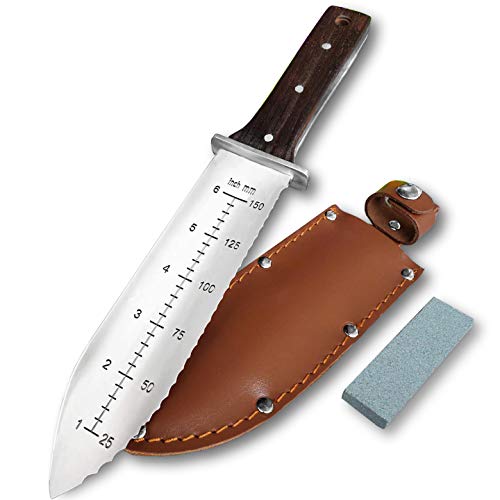
- Best for: Gardeners who want one tool for digging, weeding, transplanting and light root cutting.
- Blade material: 440 stainless steel with a high polish
- Edge design: straight edge plus serrated edge
- Depth scale etched into the blade for planting depth
- Protective handguard between handle and blade

- Best for: Pruning thick living branches on shrubs and small trees with less squeezing effort.
- Length: 32 inches
- Cut capacity: branches up to 2 inches
- Blade material: fully hardened steel with low-friction coating
- Handle material: aluminum with SoftGrip touchpoints

- Best for: Cutting thick dead branches and clearing overgrown, woody growth.
- Length: 30 inches
- Cut capacity: branches up to 2 inches
- Blade style: anvil with compound action
- Suited to dry, dead wood and heavy seasonal clearing
All 4 Picks at a Glance
| Product | Specs | Action |
|---|---|---|
| gonicc Professional Hori Hori Garden Knife |
| Check price on Amazon |
| Fiskars PowerGear2 Bypass Loppers, 32 Inch |
| Check price on Amazon |
| TABOR TOOLS GG12A Anvil Lopper, 30 Inch |
| Check price on Amazon |
 Fiskars Garden Bypass Loppers, 28 Inch |
| Check price on Amazon |
Key takeaways
- Compare four new-generation garden tools for digging, weeding and pruning, from a hori hori knife to geared loppers built for thick branches.
Garden tools have changed more in the last few seasons than in the previous decade, and the difference shows up in the work itself. Geared loppers multiply the force of each squeeze, Japanese digging knives replace three separate hand tools, and coated blades stay sharp through wet springs that used to rust a pruner in a single year. The tools below are the new generation: recent designs and refreshed models that working gardeners now reach for first, chosen from the names and specifications on their Amazon listings.
This guide suits gardeners starting a new bed, replacing worn-out tools, or building a first proper kit for a house with real outdoor space. It covers one digging knife and three cutting tools, so you can see where a geared lopper earns its place and where a simple bypass pruner still does the job. Each pick is judged on the job it does best, the strength of its build, and how honestly its listing describes its limits.
Quick Picks
As an Amazon Associate we earn from qualifying purchases.
| Product | Best for | Key spec from title |
|---|---|---|
| gonicc Professional Hori Hori Garden Knife | Weeding, transplanting and root cutting with one tool | 440 stainless steel blade with straight and serrated edges |
| Fiskars PowerGear2 Bypass Loppers, 32 Inch | Thick living branches up to 2 inches | PowerGear2 gearing with a 2-inch cut capacity |
| TABOR TOOLS GG12A Anvil Lopper, 30 Inch | Dry, dead wood and heavy seasonal clearing | Compound-action anvil blade with a 2-inch cut capacity |
| Fiskars Garden Bypass Loppers, 28 Inch | Everyday pruning on shrubs and small trees | 1.5-inch cut capacity on a 28-inch frame |
How to Choose
Match the blade to the job
A bypass blade works like scissors, with two curved blades passing each other to make a clean cut on living wood. That clean cut matters because a crushed stem heals slowly and invites disease. An anvil blade works differently: a single straight blade presses the branch against a flat plate, which suits dry, dead wood but bruises green growth. A digging knife is a third shape entirely, with one straight edge for slicing and one serrated edge for sawing roots. Before comparing brands, decide which of these three jobs fills most of your weekends, because the wrong blade shape will fight you on every cut.
Check cut capacity before handle length
Long handles give leverage, but the number that decides whether a tool finishes the job is its listed cut capacity. A lopper rated for branches up to 2 inches will handle most backyard shrubs and fruit trees, while a 1.5-inch rating covers routine seasonal pruning and leaves the thickest limbs to a saw. Hand pruners usually stop well below an inch, so forcing them past their rating bends the blade and strains your wrist. Read the capacity on the listing, compare it with the thickest branch you cut last season, and choose the tool that clears that branch with room to spare.
Look at the steel and the coating
Blade steel decides how long an edge lasts and how much care it needs after a wet day. Hardened steel and high-carbon steel hold a sharp edge through a full season of cutting, while stainless steel resists rust when tools live in a damp shed. A low-friction coating helps the blade slide through sap and reduces the sticky buildup that slows each cut. Titanium coatings add another layer of corrosion resistance on premium pruners. Whatever the steel, wipe the blade clean after sappy work and store the tool dry, because even good steel dulls faster when it sits dirty.
Weight, grip and storage matter more than they look
A lopper that weighs close to four pounds feels fine for ten minutes and heavy after an hour of overhead work, so match the weight to the length of your usual sessions. Soft grips and oval-shaped handles reduce blisters when you prune for a whole afternoon, and a handguard on a digging knife keeps knuckles clear of the blade when you lever against a root. Long-handled tools also need real storage space: a 32-inch lopper will not fit a small balcony cupboard. Measure your shed hook or storage corner before ordering, and favour tools with a sheath or a locking catch if children use the garden.
The 4 Best Options
gonicc Professional Hori Hori Garden Knife
- Best for: Gardeners who want one tool for digging, weeding, transplanting and light root cutting.
- Blade material: 440 stainless steel with a high polish
- Edge design: straight edge plus serrated edge
- Depth scale etched into the blade for planting depth
- Protective handguard between handle and blade
Gardeners who want one tool for digging, weeding, transplanting and light root cutting.
The sharpened tip and open blade demand careful sheath handling, and the smaller blade means more strokes when moving large volumes of soil.
The hori hori is the most versatile tool in this guide, and the gonicc version leans into that role with a full-tang blade that digs, weeds, transplants and saws without a tool change. One edge stays straight for slicing through soil and twine, while the serrated edge cuts woody roots that a trowel cannot break. A depth scale stamped into the steel turns bulb planting into a measured job instead of guesswork. It suits gardeners who want one mid-sized tool for mixed beds, containers and weeding rounds, and it earns its place in a small kit where every tool must justify its space.
Watch out for: The sharpened tip and open blade demand careful sheath handling, and the smaller blade means more strokes when moving large volumes of soil.
Fiskars PowerGear2 Bypass Loppers, 32 Inch
- Best for: Pruning thick living branches on shrubs and small trees with less squeezing effort.
- Length: 32 inches
- Cut capacity: branches up to 2 inches
- Blade material: fully hardened steel with low-friction coating
- Handle material: aluminum with SoftGrip touchpoints
Pruning thick living branches on shrubs and small trees with less squeezing effort.
At 3.9 pounds it is heavier than shorter loppers, and the fixed 32-inch length needs generous storage space.
These loppers suit gardeners whose shrubs and small trees regularly throw branches too thick for hand pruners. The PowerGear2 mechanism uses modified gears and a cam to multiply leverage, concentrating force in the middle of the cut where a branch resists hardest. The fully hardened bypass blade carries a low-friction coating that keeps cuts clean on living wood and resists rust between sessions. At 32 inches the handles add real reach for higher limbs, while oval grips with SoftGrip touchpoints keep long sessions comfortable. It is the pick for thick living branches when a saw feels like overkill.
Watch out for: At 3.9 pounds it is heavier than shorter loppers, and the fixed 32-inch length needs generous storage space.
TABOR TOOLS GG12A Anvil Lopper, 30 Inch
- Best for: Cutting thick dead branches and clearing overgrown, woody growth.
- Length: 30 inches
- Cut capacity: branches up to 2 inches
- Blade style: anvil with compound action
- Suited to dry, dead wood and heavy seasonal clearing
Cutting thick dead branches and clearing overgrown, woody growth.
Anvil blades crush living stems, so do not use this lopper for green growth that needs a clean healing cut.
The GG12A is the specialist for dead wood. Its anvil design presses a single blade against a flat plate, which crushes and cuts dry, woody growth that a bypass blade would slide across. Compound action multiplies hand force at the pivot, so thick dead branches give way without the full-body effort a plain lopper demands. The 30-inch frame keeps hands clear of thorny canes and gives enough reach for the centre of an overgrown shrub. Choose it for seasonal clearing, storm cleanup and cutting back dead stems, and keep a bypass tool nearby for anything still green and growing.
Watch out for: Anvil blades crush living stems, so do not use this lopper for green growth that needs a clean healing cut.
Fiskars Garden Bypass Loppers, 28 Inch
- Best for: Routine seasonal pruning on shrubs, roses and small trees.
- Length: 28 inches
- Cut capacity: branches up to 1.5 inches
- Blade material: hardened stainless steel
- Blade style: bypass for clean cuts on living wood
Routine seasonal pruning on shrubs, roses and small trees.
Branches above 1.5 inches need a larger lopper or a saw, so check the thickest stems in your yard before choosing this size.
This 28-inch bypass lopper is the everyday workhorse of the set, sized for routine pruning rather than the thickest limbs in the yard. Its hardened stainless steel blade makes clean scissor-like cuts on living wood, which helps stems heal quickly after shaping a shrub or thinning a small tree. The shorter frame is easier to carry between beds and simpler to store than the 32-inch models, and it weighs less on long sessions. For gardeners who prune regularly and want one dependable lopper for the bulk of the season, this is the straightforward choice.
Watch out for: Branches above 1.5 inches need a larger lopper or a saw, so check the thickest stems in your yard before choosing this size.
Which One Fits Your Situation
Starting a first garden bed
Start with the gonicc hori hori. A new bed needs digging, weeding, transplanting and root cutting, and one knife covers all four jobs while you learn what your soil demands. Add the Fiskars 28-inch bypass loppers once shrubs and perennials need shaping, since their 1.5-inch capacity handles most first-season growth. Buying the digging knife first keeps the kit small and the spending focused on the work you actually do.
Clearing overgrown shrubs and thick branches
Take the Fiskars PowerGear2 32-inch loppers for living growth and the TABOR TOOLS GG12A for dead wood. Overgrown shrubs mix green stems with dry, woody canes, and each blade shape handles only one of those well. The geared bypass lopper powers through live branches up to 2 inches, while the anvil lopper crushes dead stems cleanly. Used together, they clear a neglected border faster than either tool alone.
Small hands or limited grip strength
Choose the Fiskars PowerGear2 loppers over a plain long-handled model. The gearing does the hard work, so each cut needs less squeeze, and the SoftGrip touchpoints reduce blistering on long sessions. Skip the heaviest anvil loppers for routine work, and keep cuts within the listed capacity rather than forcing the tool. A lighter bypass lopper plus sharp blades beats a heavy tool that tires your hands halfway through the job.
A small balcony or container garden
Pick the gonicc hori hori and leave the long loppers in the shop. Containers need a slim blade that navigates between pots, slices twine, divides root balls and plants bulbs at a measured depth, and the hori hori does all of it from a single sheath. A 32-inch lopper has no job on a balcony and no place to live there. If a woody stem outgrows its pot, hand pruners are the only cutting tool to add.
Common Mistakes
- Buying an anvil lopper for living shrubs, which crushes green stems instead of cutting them cleanly and slows healing.
- Choosing loppers by handle length alone while ignoring the listed cut capacity, then finding the thickest branches still will not fit the jaw.
- Forcing hand pruners past their capacity, which bends blades, strains wrists and leaves ragged cuts that invite disease.
- Storing blades dirty and damp after sappy work, which dulls even good steel and lets rust take hold in a single wet season.
- Ordering a 32-inch tool without measuring storage first, then discovering it will not fit the shed, cupboard or balcony box.
Frequently Asked Questions
What makes a garden tool part of the new generation?
New-generation tools use mechanisms and materials that older shed staples lacked: geared pivots that multiply cutting force, titanium or low-friction blade coatings that resist sap and rust, and multi-purpose designs like the hori hori knife that replace several single-use tools. The change is practical rather than cosmetic, since each of these features reduces effort or maintenance during real garden work.
Should I buy bypass or anvil loppers?
Buy bypass loppers for living wood, because two passing blades make a clean scissor cut that heals quickly. Buy anvil loppers for dry, dead wood, because a single blade pressing against a flat plate crushes thick dead stems effectively. Most gardens need the bypass style first, and the anvil style becomes useful once dead growth and seasonal clearing enter the routine.
How do I know which cut capacity I need?
Measure the thickest branch you cut last season and choose a lopper rated above it. A 1.5-inch capacity covers routine shrub and rose pruning, while a 2-inch capacity handles small trees and overgrown borders. Cutting at the very limit of a tool strains the pivot and your hands, so leave a margin rather than buying exactly to the largest branch you own.
Can one tool really replace a trowel, a weeder and a knife?
A hori hori knife comes close for small and medium beds. Its straight edge digs and slices, its serrated edge saws roots, and its depth markings guide bulb planting, so it covers the jobs that usually need three separate tools. It cannot move large volumes of soil like a full-size trowel or spade, so keep a bigger digging tool for breaking new ground or filling raised beds.